
For foreigners coming to live and work in Japan, many of the country’s social rules are not written down. Instead, they are conveyed through behavior, subtle cues, and shared expectations. One of the most important of these underlying concepts is meiwaku (迷惑), a word often translated as “trouble,” “nuisance,” or “inconvenience caused to others.”
At first glance, meiwaku may seem like a vague or overly restrictive idea. But in practice, it is one of the core principles that helps Japanese society function smoothly, especially in densely populated environments and highly collaborative workplaces. Understanding meiwaku is less about memorizing etiquette rules and more about learning how people in Japan think about responsibility, awareness, and coexistence.
For foreign professionals, developing sensitivity to meiwaku can significantly improve both daily life and workplace relationships. It also helps avoid misunderstandings that might otherwise feel confusing or personal.
What Meiwaku Really Means
Meiwaku refers to behavior that disrupts others, imposes on their time or space, or creates extra burden, especially when that burden could have been avoided. Importantly, it is not limited to major offenses. Even small actions can be considered meiwaku if they force others to adjust, compensate, or feel uncomfortable.
What distinguishes meiwaku from similar concepts in Western cultures is its proactive nature. In Japan, social behavior is often guided by the question:
“Could this cause inconvenience to someone else?”
This question is asked before a problem arises, not after. As a result, many Japanese social norms emphasize prevention instead of correction. Silence, restraint, punctuality, and predictability are all valued because they minimize the risk of causing disruption.
Meiwaku in Everyday Life
Public Spaces and Transportation
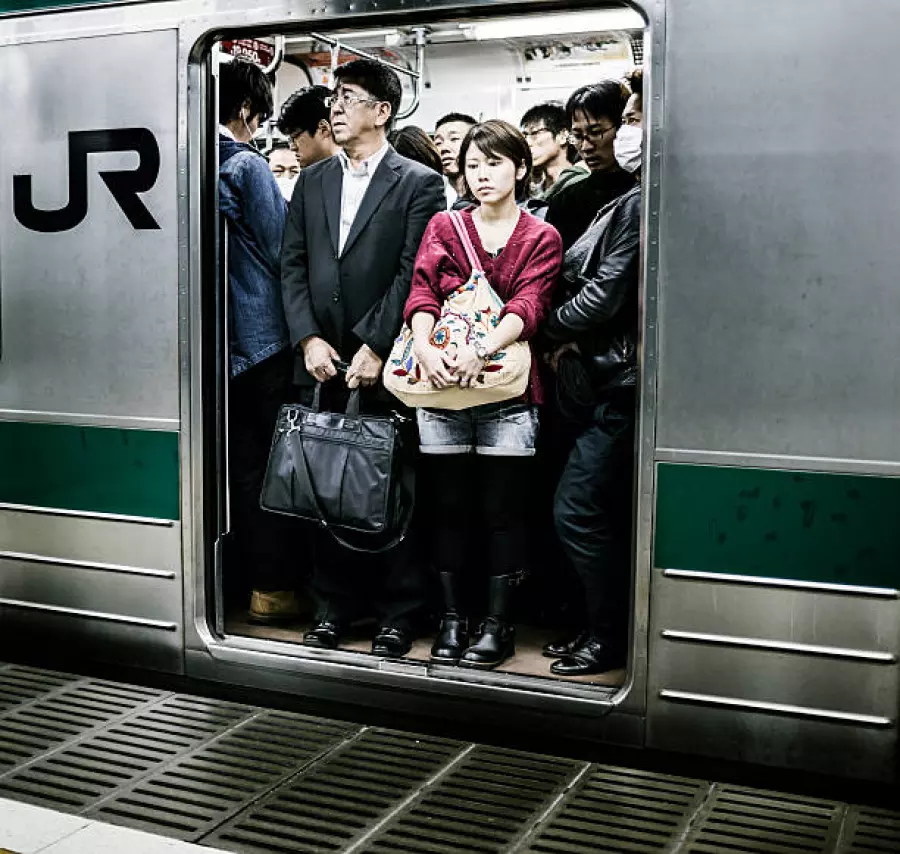
One of the most visible expressions of meiwaku is found in public transportation. Trains are quiet not because silence is enforced, but because loud conversations, phone calls, or music would intrude on others’ mental space.
Common examples include:
- Setting phones to silent mode on trains
- Avoiding phone calls in enclosed public spaces
- Standing on one side of escalators to allow others to pass
- Keeping backpacks off seats or worn in front during crowded commutes
These behaviors are not about strict obedience; they are about shared consideration in environments where personal space is limited.
Time and Punctuality
Being late in Japan is often viewed not just as a personal flaw, but as meiwaku to others. Arriving late forces colleagues to wait, reschedule, or compensate, and this creates ripple effects beyond the individual.
This applies not only to work but also to social settings:
- Arriving exactly on time (or slightly early) for appointments
- Responding promptly to messages when coordination is required
- Giving advance notice if plans change
For foreigners accustomed to more flexible interpretations of time, this can feel intense at first. However, it reflects a deep respect for others’ schedules rather than rigid rule-following.
Meiwaku in the Workplace
Communication and Decision-Making
In Japanese offices, meiwaku strongly influences how people communicate. Direct confrontation or unexpected requests can be seen as disruptive if they put someone on the spot or force immediate action.
Instead, workplaces often rely on:
- Advance notice before meetings
- Gradual consensus-building
- Careful wording that allows others to respond without pressure
For example, rather than saying, “Can you finish this today?” a colleague might say, “Would it be possible to look at this today, if your schedule allows?” This phrasing gives the recipient space to decline without embarrassment.
Overtime and Responsibility
Another area where meiwaku appears is responsibility-sharing. Leaving work early while teammates stay late may cause discomfort, not because overtime is glorified, but because uneven workloads create imbalance.
That said, modern workplaces are changing, and many companies now actively discourage unnecessary overtime. Even so, employees often remain conscious of how their actions affect the team as a whole.
Apologies and Accountability
Apologies in Japan are closely tied to meiwaku. When something goes wrong, people often apologize even if they are not personally at fault. This is not always an admission of guilt, but an acknowledgment that inconvenience occurred.
For foreigners, this can feel excessive or insincere. In reality, it is a way of restoring harmony and signaling awareness of impact, which is often more important than assigning blame.
Personal Relationships and Social Awareness
In personal life, meiwaku influences how favors are asked, how hospitality is offered, and how boundaries are respected.
Examples include:
- Hesitating to ask for help unless necessary
- Bringing small gifts to acknowledge effort or kindness
- Avoiding putting others in situations where they must refuse
This can sometimes feel distant to newcomers, especially those from cultures where asking for help is encouraged. Over time, many foreigners come to appreciate how meiwaku creates predictability and reduces social pressure.
When Meiwaku Becomes a Burden
While meiwaku plays a positive role in maintaining social harmony, it is not without downsides. Excessive concern about causing inconvenience can lead to:
- Difficulty expressing personal needs
- Reluctance to ask questions or seek clarification
- Emotional labor placed on individuals to constantly self-monitor
For foreigners, this can be especially challenging. Differences in language and cultural norms can cause issues that can feel targeted and start to feel exhausting over time.
Additionally, strict adherence to meiwaku can sometimes discourage innovation or honest feedback in workplaces, particularly when speaking up might disrupt group consensus.
Acknowledging these limitations is important. Understanding meiwaku does not mean suppressing individuality or accepting unreasonable expectations. Rather, it provides a framework for navigating Japanese environments thoughtfully while still advocating for oneself when necessary.
Finding Balance as a Foreigner in Japan
For foreign residents, the goal is not to perfectly replicate Japanese behavior, but to understand the values behind it. Demonstrating awareness of meiwaku by being punctual, considerate, and communicative, often earns patience and goodwill in return.
At the same time, many Japanese colleagues and neighbors recognize that cultural adjustment is a two-way process. Honest communication, when done respectfully, is usually welcomed more than silent confusion.
Learning meiwaku is ultimately about learning how Japan prioritizes coexistence. Once understood, it becomes less of a constraint and more of a guide—helping foreigners integrate smoothly into both professional and personal life.
Why Meiwaku Matters for Living and Working in Japan
Living in Japan involves navigating shared spaces, shared systems, and shared responsibilities. Meiwaku is the quiet principle that holds these together. It explains why things tend to run smoothly, why rules feel predictable, and why conflict is often minimized before it begins.
For foreigners planning to build a life and career in Japan, understanding meiwaku is not about perfection. It is about awareness. And with awareness comes confidence, mutual respect, and a far more rewarding experience of daily life in Japan.