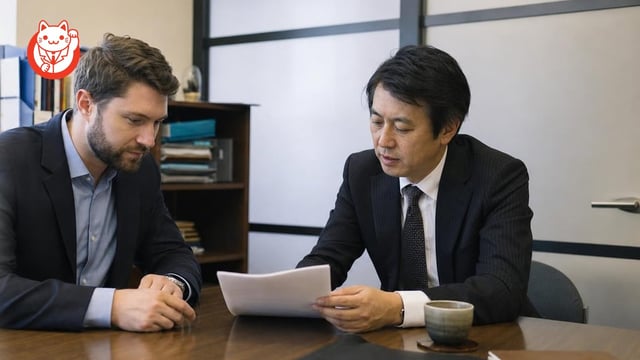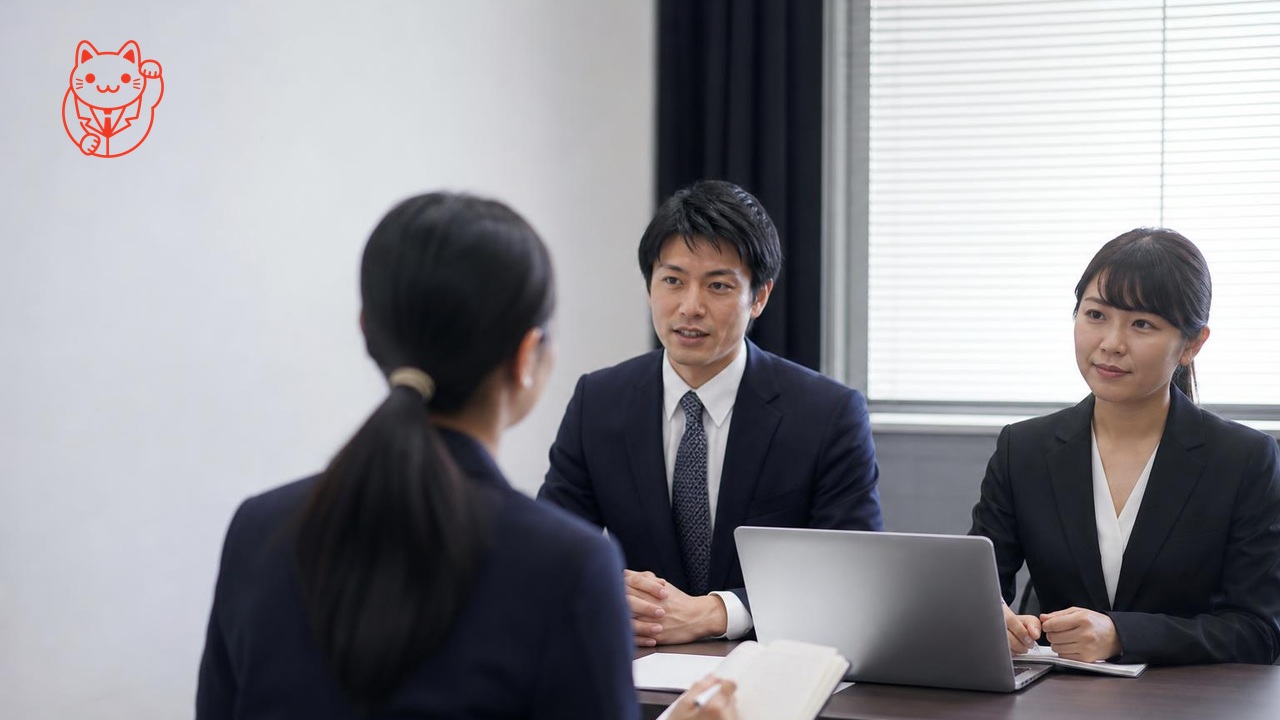
Most job seekers treat this as the polite ending to an interview.
In Japan, it can be much more useful than that. This is your chance to find out how the job actually works, what the company expects, and whether the role matches the life you are trying to build here.
That doesn't mean you should interrogate the interviewer. It means you should ask a few thoughtful questions that protect you from surprises later.
This article is general career guidance, not legal advice. Visa, labor, and contract situations can vary, so confirm the details with the employer, the relevant office, or a qualified professional when your situation depends on it.
If Japanese interviews feel different from what you are used to, start with our guide to why Japanese job interviews feel different. It explains the rhythm, expectations, and indirect signals that often confuse foreign applicants.
In this article
- The rule: ask fewer questions, but better ones
- Questions every foreign job seeker should consider
- Questions for ALT interviews
- Questions for eikaiwa interviews
- Questions for international schools and preschools
- Questions for rural placements
- Questions for city jobs
- Questions for non-teaching jobs
- Questions to ask before accepting the offer
- Red flags in the interviewer’s answers
- How to ask without sounding negative
- A practical interview question shortlist
- Final thoughts
The rule: ask fewer questions, but better ones
You do not, and should not, ask every question in this article.
In most interviews, pick five to eight questions that match the job, the stage of the hiring process, and your real concerns. If it is a first interview, focus on the role, schedule, hiring process, and fit. If they are close to making an offer, ask more directly about contract terms, visa support, relocation, and working conditions.
A good interview question does three things:
- It shows you understand the job.
- It gives you information you can actually use.
- It invites the employer to explain expectations clearly.
A weak question is one you could have answered by reading the job ad. A strong question helps you understand the gap between the job ad and the real job.
For a broader preparation checklist, see our article on how to prepare for a job interview in Japan. This article focuses only on the questions you ask them.
Questions every foreign job seeker should consider
These work for most jobs in Japan, whether you are applying for teaching, hospitality, office work, IT, recruiting, marketing, operations, or another role.
Role and expectations
- What would you want the new hire to understand before starting?
- Which tasks take up the most time in a normal week?
- What parts of the job are hardest for new employees?
- How is performance reviewed?
- Who would I report to day to day?
- How much of the role is independent work, and how much is team-based?
These questions are useful because job ads often describe the ideal version of the role. You need to understand the normal version.
Schedule and workload
- What is the regular working schedule?
- Are the working hours fixed, or do they change by week or season?
- How often do employees work overtime?
- If overtime happens, how is it approved and recorded?
- Are weekends or national holidays part of the normal schedule?
- How far in advance is the schedule shared?
- Are there busy seasons I should know about?
Don't treat schedule questions as minor details. In Japan, the difference between a good job and a draining job is often not the salary alone. It is the schedule, commute, overtime culture, and how much control you have over your week.
Contract, salary, and benefits
- Is this role full-time, part-time, direct hire, contract, dispatch, or something else?
- Is the salary monthly, hourly, or per lesson/class/shift?
- What benefits are included?
- Is transportation reimbursed? If so, is there a monthly cap?
- How are paid holidays handled?
- Is there a probation period? What changes after probation?
- When would I receive the written contract or working conditions notice?
- Are there any deductions from salary that I should understand in advance?
You don't need to sound suspicious. Ask calmly. Serious employers should be able to explain these details without making you feel difficult.
If you are looking at English teaching jobs, our article on common eikaiwa contract traps goes deeper into contract language, pay structure, and red flags that often show up after the interview. (The list unfortunately keeps growing, so if you had a bad experience at an eikaiwa, please let us know where we can add to the list).
Visa and status of residence
- Does the company sponsor or support visa applications for this role?
- Has the company hired foreign employees in this type of role before?
- What documents would the company provide for immigration procedures?
- If I already have a visa, does the company check whether this work fits my current status of residence?
- If the start date depends on immigration timing, how flexible is the schedule?
- Who in the company handles visa-related paperwork?
Be careful with vague answers here. You do not want to discover after accepting the job that the company assumed your visa situation was simple.
For more background, read what your visa actually allows you to do in Japan. That article explains why job title, duties, and status of residence need to fit together.
Questions for ALT interviews
ALT jobs can vary a lot depending on the dispatch company, board of education, location, school level, and assigned schools. The interview should help you understand the actual placement, because the word "ALT" can describe very different jobs.
If you are still deciding between ALT and eikaiwa work, read Eikaiwa vs ALT: Which English Teaching Job Is Right for You?. It gives more context before you choose which interview questions matter most.
Placement and school type
- What school level would I most likely teach: elementary, junior high, high school, or mixed?
- Would I be assigned to one school or multiple schools?
- How far apart are the schools? (ask about travel time? How do you get from each school? etc.)
- How is the placement decided?
- When would I know my exact school or city placement?
- Is this a new placement, or am I replacing a previous ALT? If I am replacing someone, what made the previous ALT successful there?
- Is this a dispatch (haken) position, or would I be hired directly by the board of education?
- Is there a limit on how many times my contract can be renewed?
That last question is quietly powerful. It asks about expectations without sounding negative.
Teaching responsibilities
- How much lesson planning is expected from the ALT?
- Will I usually lead activities, support the Japanese teacher, or teach full lessons?
- Are lesson plans and materials provided?
- How much freedom do ALTs have to create activities?
- How often do ALTs attend school meetings or events?
- What does a normal day at school look like?
- How are classroom issues usually handled?
- How much English do the Japanese Teachers of English (JTEs) typically use during lessons?
- Am I expected to help with extra events like English camps or speech contests outside normal teaching duties?
ALT roles can range from active co-teaching to being used like a classroom assistant. You want to know which version you are walking into.
Training and support
- What training is provided before the first day at school?
- Who should I contact if there is a problem at school?
- How often does the company check in with ALTs after placement?
- Is there a mentor, coordinator, or regional manager?
- How are conflicts between ALTs and schools handled?
- Are there sample lesson plans or previous materials I can learn from?
For first-time applicants, our guide on how to become an ALT in Japan without teaching experience explains what employers usually look for and how to present yourself.
Pay during school breaks
- Is salary paid during summer, winter, and spring school breaks? Find out the yearly gross salary, which months are pro-rated if not straight salary, etc.
- If salary changes during breaks, how is that calculated?
- Are there training days, office days, or camps during school holidays?
- Are school-event Saturdays treated as workdays?
- If there are no classes, am I expected to be at school?
- Will I be enrolled in shakai hoken (employee health and pension insurance), and does that depend on my working hours?
This is one of the most important ALT categories. A salary that looks fine on paper can feel very different if unpaid or reduced-pay periods are involved.
Questions for eikaiwa interviews
Eikaiwa interviews deserve their own checklist because the job can look simple from the outside: teach English, meet students, follow the curriculum. In reality, working conditions vary heavily by school.
For more context, read why some eikaiwa schools are better than others. It pairs well with this interview checklist because it explains the business model behind many differences.
Schedule and classroom load
- What are the regular teaching hours?
- How many lessons does a teacher usually teach per day?
- How much preparation time is built into the schedule?
- Are there split shifts?
- Are weekends required?
- How often does the schedule change?
- How are canceled lessons handled?
- Are teachers expected to work between lessons, or is that break time?
- If a student cancels or does not show up, am I still paid for that lesson?
Don’t stop at the number of working hours. Ask how the day feels. Seven hours with real breaks is not the same as seven hours of back-to-back teaching plus prep.
Students and curriculum
- What age groups would I teach most often?
- Are classes mostly adults, children, business students, or mixed?
- What is the average class size?
- Is there a set curriculum?
- How much can teachers adapt lessons?
- Are trial lessons part of the role?
- Do teachers need to write student notes or reports after each lesson?
- How are student complaints handled?
- Are teaching materials provided, or do teachers need to purchase or license anything themselves?
Trial lessons, student reports, and sales-adjacent duties can be normal in some schools, but they should not be hidden.
Sales, retention, and non-teaching duties
- Are teachers involved in trial lessons or student counseling?
- Are teachers expected to help with renewals, events, or sales? (Depending on your visa, you might technically not be allowed to)
- Is any part of my pay based on commission, such as enrollments, renewals, or trial-lesson conversions?
- Are there performance targets beyond teaching quality?
- Do teachers answer phones, clean classrooms, hand out flyers, or do admin work? (Depending on your visa, you might technically not be allowed to as this is a non-teaching activity)
- Are seasonal events required?
- Are there unpaid meetings or unpaid preparation expectations?
Ask this carefully. You aren't saying non-teaching work is always bad. You are asking whether the job is truly a teaching role or a teaching-plus-sales-plus-admin role.
Eikaiwa red-flag follow-ups
- Could you show me where that is written in the contract?
- How is overtime recorded?
- What happens if a teacher is sick?
- How many teachers renewed their contracts last year?
- What do teachers usually find hardest about this school?
- May I speak with a current teacher before accepting an offer?
- If company housing is offered, is rent deducted directly from my salary, and how much?
- Will the company support visa renewal paperwork each time my contract renews, not only when I am first hired?
These are polite questions, but they reveal a lot. If an employer reacts badly to basic clarity, listen to that reaction.
Peter's Advice
If applying for a job at a large chain, get some clarity on the location(s) you will be working at. Some schools do not want you to live in the neighborhood in which you will be teaching. Find out more on this so you can find a place at a reasonable distance away on a convenient train line.
Questions for international schools and preschools
International schools, kindergartens, and preschools can be excellent workplaces, but the roles are often broader than classroom English teaching. You may be dealing with parents, curriculum planning, safety routines, events, reports, and licensing expectations.
Curriculum and teaching quality
- What curriculum or educational approach does the school use?
- How much lesson planning is expected from teachers?
- Are teachers given planning time during paid working hours?
- How are student progress and parent reports handled?
- Are there teaching assistants or co-teachers?
- What does the school consider a strong lesson?
Child safety and classroom support
- What child protection policies are in place? (The new Nihonban DBS is about to go into effect. Do they offer Safeguarding or other training?)
- What training is provided for safety, emergencies, and behavior issues?
- What is the student-to-teacher ratio?
- Who handles serious parent complaints?
- How are injuries or incidents documented?
- Are background checks or certificates required?
If the job involves children, safety questions are professional, not awkward. They show that you take the work seriously.
School calendar and events
- How many school events are required outside normal class hours?
- Are teachers expected to attend open campuses, seasonal events, or weekend programs?
- How are substitute lessons covered?
- How much paid vacation is actually usable during the school year?
- Are there blackout periods when teachers cannot take leave?
Questions for rural placements
Rural jobs can be rewarding. They can also be isolating if you are not prepared. The interview should help you understand daily life outside work.
Transportation and housing
- Will I need a car for this placement?
- If driving is required, does the company help with licensing, insurance, or car rental?
- Is housing provided or introduced?
- How far is the housing from the workplace?
- How far is the nearest train station, supermarket, clinic, or bank?
- Are utilities already set up, or do I arrange them myself?
If the location is flexible, compare city and regional options with our guide to the best cities in Japan for English teachers by cost and salary. It helps you think beyond the headline pay.
Community and support
- Are there other foreign employees in the area?
- How often does the company visit or check in with rural staff?
- Who should I contact if I have trouble with housing, city hall, or transportation?
- How much Japanese is needed for daily life in this location?
- Are there local expectations I should know before arriving?
Rural Japan can be friendly, stable, and cheaper than big cities. But you need a realistic picture of transport, language, housing, and support.
Questions for city jobs
City jobs come with more options, but also higher costs, longer commutes, and more competition. A Tokyo job and a regional city job can both be "urban," but the lifestyle may be completely different.
Commute and branch assignment
- Which office, branch, or school would I be assigned to?
- Could I be transferred to another branch?
- How often do staff move between locations?
- What is the usual commute for employees in this role?
- Are late shifts common?
- If work ends late, is last-train timing ever a problem?
Cost of living and schedule pressure
- Is the salary designed for this specific city, or is it the same nationwide?
- Are there housing introductions or relocation support?
- How stable is the monthly schedule?
- Are peak travel times part of the normal commute?
- Does the company reimburse the full commute?
A job can look better in a large city because there are more restaurants, events, and people around. That does not automatically mean the job gives you the time or money to enjoy them.
Questions for non-teaching jobs
Not every foreign job seeker in Japan is applying for English teaching. If you are interviewing for office, IT, sales, hospitality, recruiting, marketing, tourism, translation, customer support, or operations roles, your questions should focus on language use, evaluation, and workplace expectations.
Language and communication
- How much Japanese is used in meetings, chat, email, and customer communication?
- What level of Japanese is expected on day one?
- Are internal documents mostly in Japanese or English?
- Will I need to write business Japanese, or mostly read and respond?
- Are there bilingual team members who support communication?
For a realistic look at language expectations, read how much Japanese you actually need to work in Japan. It explains why "Japanese preferred" can mean very different things depending on the job.
Career path and evaluation
- What skills would help someone grow in this role?
- How are raises or promotions decided?
- Are there examples of foreign employees who have advanced in the company?
- What training is available after joining?
- How often do managers give feedback?
- What would make someone unsuccessful in this role?
That final question is a good one. Employers often give more honest answers when you ask what fails, not only what succeeds.
Questions to ask before accepting the offer
Once the company is serious about hiring you, it is fair to ask more detailed questions. You aren’t being rude. You are making sure both sides understand the agreement.
- May I review the written offer and contract before accepting?
- Can you confirm the start date, salary, working hours, workplace, and employment type in writing?
- What documents do you need from me before the start date?
- What happens if immigration processing takes longer than expected?
- When is the first payday?
- Who should I contact before my first day?
- What should I bring on the first day?
- Is there anything in the job that is not obvious from the job description?
This is also where you should slow down if something does not match the job ad or the interview. Clarify before you resign from another job, move apartments, or make visa plans.
If you are changing jobs inside Japan, our article on what happens to your visa if you lose or quit your job in Japan gives useful background before you make a move.
Red flags in the interviewer’s answers
The answer matters, but the way they answer matters too.
Be cautious if you hear things like:
- "We will explain the contract after you accept."
- "Everyone does unpaid preparation."
- "The visa will be fine, do not worry."
- "The salary depends, but you can trust us."
- "You can start first and we will fix the paperwork later."
- "We do not usually put that in writing."
- "Our teachers are like family," used to avoid clear boundaries.
- "Japanese staff handle that," when the issue directly affects you.
One vague answer does not always mean the company is bad. Sometimes the interviewer simply does not know. But if several important answers are vague, rushed, or defensive, pay attention.
How to ask without sounding negative
Foreign applicants sometimes worry that direct questions will make them look difficult. The solution is not to avoid questions. The solution is to phrase them professionally.
Instead of:
- "Do you make teachers do unpaid overtime?"
Try:
- "How is overtime usually handled and recorded?"
Instead of:
- "Is this one of those bad eikaiwa jobs?"
Try:
- "What do teachers usually find challenging when they first start here?"
Instead of:
- "Will you actually help with my visa?"
Try:
- "Could you explain how your company normally supports visa paperwork for foreign employees?"
You can be polite and still protect yourself.
A practical interview question shortlist
If you only bring one list, bring this one.
- What does a normal day or week look like?
- What do new employees usually find hardest?
- How is the schedule decided, and how far ahead is it shared?
- How are overtime, preparation time, and meetings handled?
- What benefits and transportation support are included?
- What visa support does the company provide?
- When would I receive the written contract or working conditions notice?
- Who would I report to day to day?
- Is there anything about this role that is not obvious from the job description?
If the interviewer gives clear, practical answers, that is a good sign. If they avoid every specific detail, that is also information.
Peter's Advice
The question that I always recommend asking is:
I can appreciate that you are interviewing a number of people for this position. What would the successful candidate have achieved in the first six months for you to consider that person to be a successful hire?
This shows the interviewer that your mind is in the right place. Depending on what they say, you can then demonstrate why you are the right person for the job. While discussing how you would solve their problems, the interviewer will be imagining you in the role.
Final thoughts
"Do you have any questions for me?" is not filler. It is one of the most useful moments in the interview.
Use it to understand the real job: the schedule, support, contract, visa process, commute, classroom, team, and expectations. You don't need to ask everything. You just need to ask the questions that would change your decision.
Before your next interview, browse current openings on JOBS IN JAPAN and compare job ads by visa support, Japanese level, location, job type, and schedule. Then bring the right questions to the interview, along with the right answers.