
One of the best ways to fight homesickness and feel happier when living in a new place is to get involved in the local way of life. In Japan, there are many ways to go about doing so, however one of my favorites lies in local festivals, or matsuri (祭り). Community-building is actually one of the main purposes of these events, and if you’re living there too, why not get involved? Whether through direct participation, spectating, or learning about the history, engaging with local festivals can help deepen your connection to Japanese society. And with these events happening year-round, there’s almost always something to experience!
How to Participate
Sometimes, the best way to experience a festival is to take part in it yourself! If you’re feeling confident, why not join the performances? Opportunities range from playing traditional instruments to participating in dances or other local festivities.
That said, participation isn’t always open to everyone—many performances are limited to residents of a specific region or neighborhood. However, if you live in a smaller city, you might be surprised by how welcoming locals can be. It never hurts to ask, and even if you can’t join, your enthusiasm will likely be appreciated.
Living in Japan: Top 5 Japanese Summer Festivals You Won’t Want To Miss
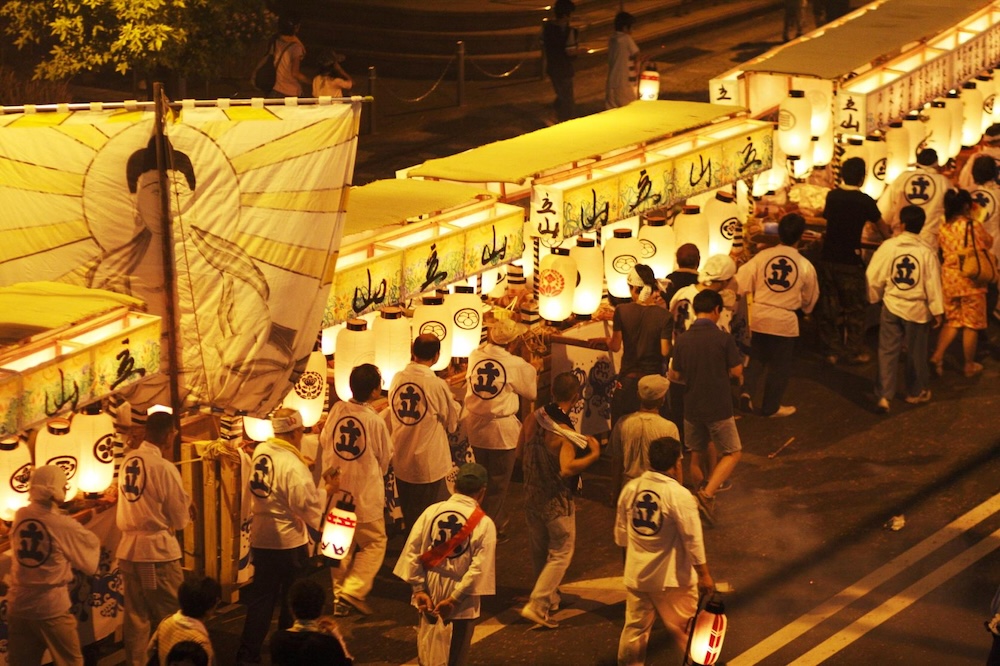
For instance, I know several foreign friends who have taken part in Shōrōnagashi (精霊流し) in Nagasaki, a chance to remember deceased family members, friends and even pets through processions of elaborate floats throughout town. Being part of a club or community group can also increase your chances of participating, especially in activities like playing instruments or traditional dances. One of my friends whom I knew to be part of his local taiko (太鼓) group was able to perform with his clubmates at the summer festival. If you’re interested, reach out to coworkers or local acquaintances—you might find yourself in the spotlight on festival day!
Attending a Festival
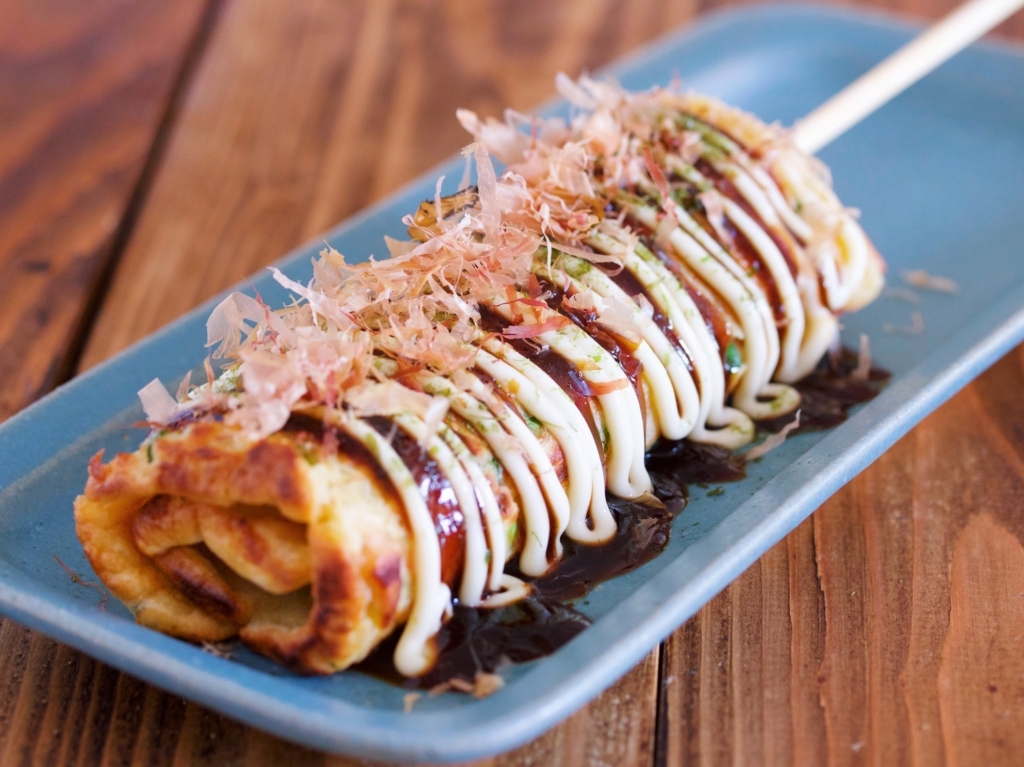
If you want to experience the excitement of a festival in a more relaxed way, simply attending can be enough! This is the easiest (and, let’s be honest, often the most fun) way to immerse yourself. To take it a step further, consider dressing the part by wearing a yukata (浴衣, a casual summer kimono) or jinbei (甚平, a lightweight outfit typically worn by men), which can help you feel even more connected to the atmosphere. And, of course, no festival experience is complete without food! Be sure to try classics like karaage (唐揚げ, Japanese fried chicken) or hashimaki (はしまき, a savory pancake wrapped around chopsticks).
Living in Japan: Gion Matsuri: Japan’s Ancient Festival in Kyoto
Processed with VSCO with c1 preset
Many festivals also encourage audience participation, so don’t be shy—dance, chant, and enjoy the moment! I like to observe what locals are doing before joining in to ensure I’m being respectful. At Nagasaki’s famous Okunchi (おくんち) festival, for example, spectators are encouraged to chant “motte koi!” (持って来い!) at specific moments during the performance. Every time I’ve actively participated, I’ve been met with smiles and enthusiasm—it’s a great way to truly feel part of the celebration.
Understanding the Celebrations
Attending a festival is one thing, but truly appreciating it means understanding its history, symbolism, and cultural significance. Taking the time to do some research beforehand not only enhances your experience but also shows respect for local traditions.
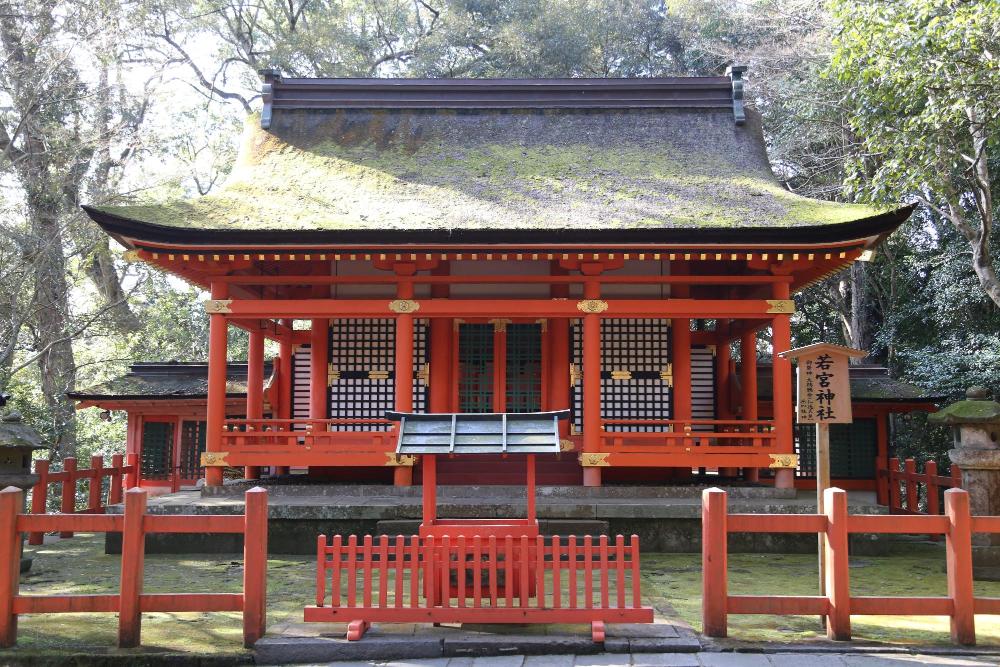
For example, when I visited Wakamiya Shrine (若宮神社) in Nagasaki City for the annual Takengei (竹ン芸) performance, I was able to appreciate it on a much deeper level because I had learned about its origins. The festival features two performers representing playful foxes, climbing towering bamboo ladders to offer thanks to the gods. At the end, they scatter lucky rice cakes into the crowd. Knowing the meaning behind the performance made it feel even more special.
Living in Japan: How to Survive Summer Music Festivals in Japan
Beyond enriching your experience, understanding these traditions also creates opportunities to connect with locals. Festivals are deeply rooted in community life, and discussing them can be a great conversation starter with coworkers, neighbors, or even the friendly clerk at your local conbini (コンビニ). Since many Japanese people can be a bit shy around foreigners, showing genuine interest in their traditions can help bridge that gap and foster deeper connections.
Etiquette When Going to a Japanese Festival
Be environmentally conscious. This one goes for life in Japan in general, but even more so at festivals: carry any garbage you accumulate with you. Yes, the lack of bins in Japan can be cumbersome, especially somewhere like a busy festival, but it’s important to remain respectful of local culture and rules. I like taking a plastic bag with me that serves as a portable bin, which I can then keep in a backpack or on my arm.
Be mindful of personal space, but don’t be offended if someone runs into you and doesn’t say anything. This is especially true in bigger Japanese cities, as locals are more used to being in crowded spaces where minor bumps are unavoidable.
Living in Japan: Japanese Bath House Etiquette to Know Before Visiting Japan
Be Considerate When Taking Photos. Of course, it’s usually fine to take pictures, but avoid blocking pathways or taking close-ups of performers or locals without permission. Privacy is especially important in Japan, and most Japanese will go so far as to blur out the faces of people unintentionally featured in photos or videos on social media. At a festival where performances are the main attraction, this isn’t the case. However, keeping an appropriate distance and maintaining the performance rather than close ups of individuals as the main focus is a good rule of thumb.
Matsuri are the heart and soul of Japan—a time for locals to let loose and have fun! Whether you’re performing, cheering from the sidelines, or simply savoring festival treats, each experience deepens your understanding of local traditions. Beyond the fun, these celebrations offer a rare chance to connect with people in a way that transcends language and cultural barriers. By participating with an open mind and respectful curiosity, you’ll find yourself not just attending a festival, but becoming part of something much bigger.