Moving to Japan is an exciting experience, but adjusting to the new environment can bring some unexpected health challenges. While Japan is known for its cleanliness and high-quality healthcare, many foreigners find themselves dealing with seasonal allergies, dietary changes, and climate-related health issues. Knowing what to expect and how to handle these common problems can make the transition much smoother.
Hay Fever (花粉症)
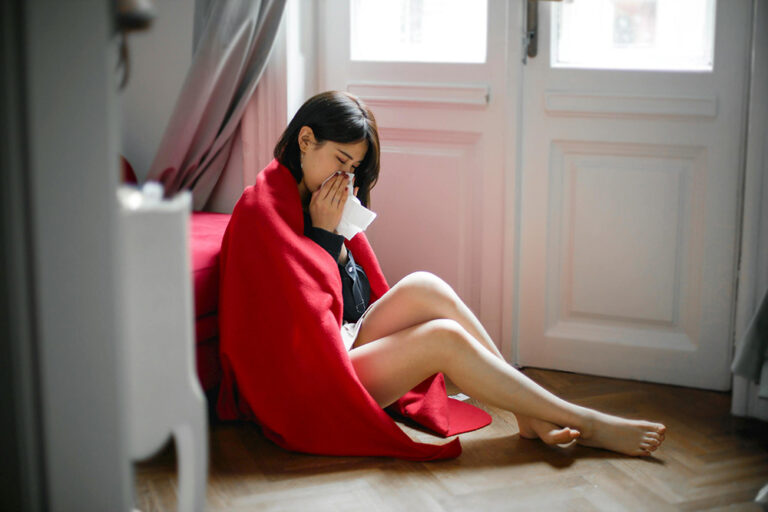
Hay fever is a big issue in Japan, mostly caused by cedar and cypress pollen. Even people who never had allergies before often start experiencing sneezing, itchy eyes, and congestion. Symptoms are at their worst from March to May and again from September to November.
A few simple precautions can make a big difference. Wearing a mask outside, using an air purifier at home, and keeping a humidifier running can help ease symptoms. Over-the-counter antihistamines are widely available at drugstores, and many people in Japan use antiseptic gargles to clear allergens from their throats. If the symptoms get really bad, visiting an ENT doctor (耳鼻咽喉科) for stronger treatment is a good option. I didn’t start experiencing hay fever until my fifth year in Japan, and by then, I was relying on masks, humidifiers, and allergy meds just to get through pollen season.
Living in Japan: Dealing With Hay Fever In Japan

Gastrointestinal Problems
Getting used to Japan’s food can sometimes be tough on the stomach. The mix of raw seafood, fermented foods, and high sodium levels is different from what a lot of people are used to. Even though tap water in Japan is safe to drink, its mineral content can also cause mild digestive issues for newcomers. It’s common to experience bloating, gas, or even mild food poisoning after eating out.
Easing into new foods slowly and drinking plenty of water can help with the adjustment. Japanese pharmacies sell antacids and digestive aids that work well for minor stomach problems. On top of that, lifestyle habits like drinking too much caffeine and staying up late can lead to GERD (Gastroesophageal Reflux Disease), which I personally developed after months of late-night coffee and convenience store meals. Cutting back on acidic foods and sticking to regular mealtimes made a huge difference. If stomach issues persist, a visit to a gastroenterologist (消化器科) can help pinpoint the problem.
Living in Japan: How I live with GERD in Japan
Colds and Flu (風邪・インフルエンザ)
Public transportation, offices, and crowded spaces make it easy to catch colds and the flu in Japan. Seasonal flu is a big problem in winter, but sudden temperature changes from air conditioning can also trigger colds at any time of the year.
To stay healthy, it’s a good idea to get a flu shot (インフルエンザ予防接種) before winter, wash hands frequently, and wear a mask in crowded areas. Pharmacies carry plenty of cold medicines, and brands like Pabron Gold work well for common symptoms. If things get worse, visiting a clinic (内科) is the best option.
Heatstroke and Dehydration
Japan’s summers can be brutal, with temperatures over 35°C (95°F) and extreme humidity. Heat exhaustion and dehydration are serious risks, especially for those not used to the climate. Spending too much time outside without proper hydration can quickly lead to dizziness, nausea, and fatigue.
Drinking electrolyte drinks like Pocari Sweat or Aquarius, wearing breathable clothes like UNIQLO’s AIRism, and using cooling neck fans and wipes from Daiso can help. It’s also important to take frequent breaks in air-conditioned places and avoid going out during peak heat hours. I always keep a neck fan and some cooling wipes with me in the summer, and they make a huge difference in keeping cool.
Living in Japan: How to Survive the Brutal Japanese Summer
Skin and Air Pollution Allergies
Even though Japan generally has good air quality, seasonal pollution and high humidity can cause skin irritation, breakouts, and respiratory issues. Dry air from heaters in winter and intense humidity in summer can make things worse, leading to eczema or acne flare-ups.
Using hypoallergenic skincare products, staying hydrated, and keeping an eye on air pollution levels before heading outside can help. For people with asthma or other respiratory conditions, having an air purifier at home can make a big difference in reducing symptoms.
Back and Joint Pain from Floor Seating and Futons
Traditional Japanese homes and restaurants often use tatami mats and low tables, meaning a lot of time is spent sitting on the floor. Sleeping on futons instead of Western-style beds can also take some getting used to. For those not used to these setups, back and joint pain can become a problem.
Adding a foldable mattress topper for extra cushioning, using a zaisu (low chair with backrest), and stretching regularly can help. Making small adjustments, like switching to a thicker futon or choosing chairs over floor seating when possible, can make a big difference in comfort.
Mental Health Challenges
Moving to a new country can be stressful, and Japan is no exception. Culture shock, language barriers, and social isolation can lead to loneliness, anxiety, or even seasonal depression, especially during Japan’s long rainy season.
Getting involved in expat communities, attending social events, and making time for outdoor activities can help with mental well-being. Services like Tokyo English Lifeline (TELL) offer counseling and support for those who need it. Mental health is just as important as physical health, and finding ways to stay connected and engaged can make all the difference.
Adjusting to life in Japan takes time, and dealing with common health issues is just part of the process. Whether it’s hay fever, stomach troubles, extreme weather, or mental health challenges, knowing what to expect can help make the transition easier. Taking small preventative steps, stocking up on essential medications, and making a few lifestyle adjustments can go a long way in staying healthy and enjoying everything Japan has to offer.
Living in Japan: Minding Your Mental Health