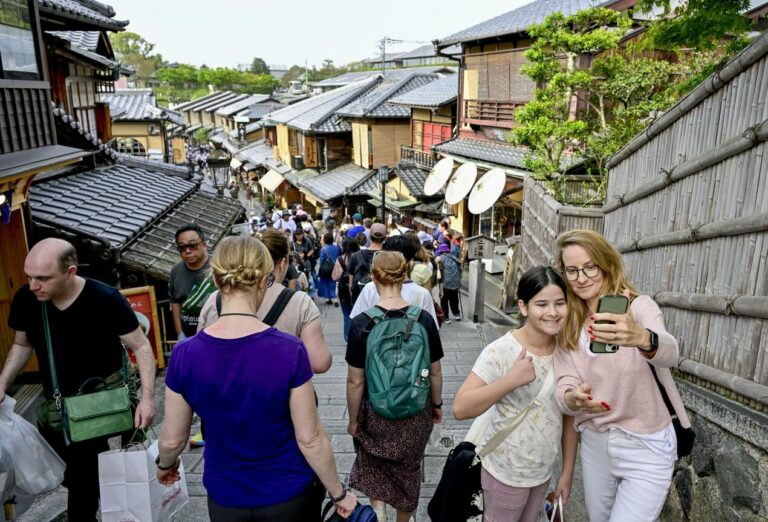
It comes as no surprise that touring a friend in Japan can be both an exciting and, let’s be real, exhausting experience. It’s fun showing someone around the country you live in, especially if it’s their first time. But what many people don’t realize until they’re in it is that you are the one managing almost everything — schedules, transport, tickets, food, directions, and even cultural explanations. If that friend doesn’t speak Japanese or has never traveled to Asia before, it’s twice the work.
I recently had a friend visit me in Japan for the first time. I was excited to show them around, but by day three, I realized I was also mentally calculating train transfers while trying to smile through the humidity. These are some tips I picked up along the way that might help you enjoy the experience without burning out.
1. Create an Initial Plan Together
Before your friend even boards the plane, have a conversation about what they want to do and what kind of traveler they are. Are they the “hit all the tourist spots” type? Or are they more into nature, local cafes, or hidden gems? Some people want to shop at Don Quijote for three hours, others want to spend the whole day at a shrine. Don’t assume, just ask.
When I started planning, I got excited and built a jam-packed itinerary in Google Sheets. My friend looked at it and smiled politely, but after two temples she admitted she wasn’t really into traditional sites. That was a turning point. After that, I adjusted and focused more on modern stuff like digital art museums, pop-up stores, and food. Don’t take it personally, just be flexible.
2. Accommodations — Be Honest About Your Home Life
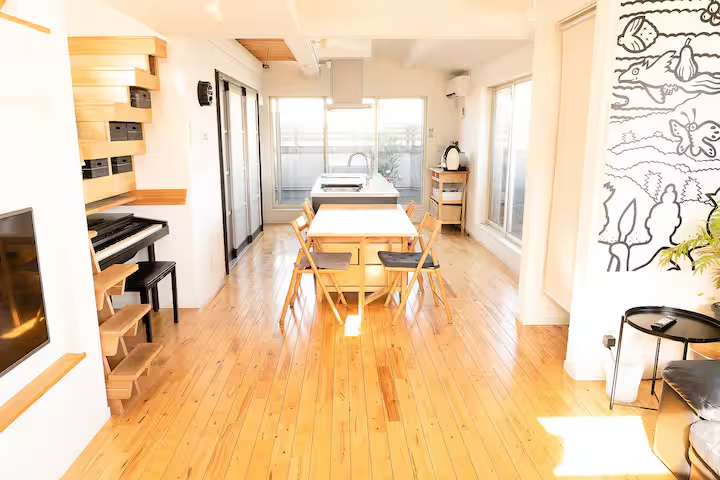
If your friend is staying at your apartment, be upfront. Japan has smaller living spaces, and not everyone is used to futons, thin walls, or pets. I had to tell my friend that my cat is affectionate but sometimes sits on people’s faces at night. She laughed, but also asked if she could keep the door closed. Fair enough.
If they choose a hotel or Airbnb, ask for the location early. Tokyo, Osaka, and even smaller cities are bigger than they seem. Saying “I’ll stay near Shinjuku”, that could still mean 25 minutes of walking and transferring trains just to meet up. I recommend checking their hotel location on Google Maps and looking for nearby stations, bus stops, or convenience stores so you can both move around easily.
3. Tell Them to Bring a Power Bank or Two, and Rent Pocket Wi-Fi
You’ll both rely on phones all day, for maps, translations, tickets, and photos. Even if their phone is brand new, it will probably die by mid-afternoon if it’s on full brightness with GPS running.
Tell them to bring at least one power bank, ideally fully charged every night. I also recommend pocket Wi-Fi, it’s way more reliable than roaming. You can share one between two or three people. I rented one for the week and it was a game-changer. We never got lost and could check train delays or restaurant reviews instantly.
4. Book Tickets as Early as Possible
Attractions in Japan can be surprisingly hard to get into without a reservation. Ghibli Museum, teamLab Planets, Shibuya Sky, and even some themed cafes need tickets in advance. Don’t wait until the day before.
I had this happen with Shibuya Sky, we went to Shibuya specifically for only to find out tickets were sold out until the evening. It was too hot to wait around, so we had to skip it. If your friend mentions they “want to see this,” just go ahead and book the ticket. Some websites allow cancellations or changes anyway, so better safe than sorry.
5. Cultural and Social Norms — Gently Guide Them
Japan is not the kind of place where people will yell at you for doing something wrong, but that doesn’t mean they’re not annoyed. If your friend speaks loudly on the train, eats while walking, or blocks the escalator, people will definitely notice.
Take a few minutes before your first outing to explain the basics. Keep it simple.
- Speak quietly on trains
- Stand on the left side of escalators in Tokyo, right side in Osaka
- Say sumimasen (excuse me) and arigatou gozaimasu (thank you)
- Don’t take photos of people without permission, especially children
- Tipping is not necessary
They’ll appreciate the heads-up more than learning through uncomfortable stares.
6. Know Your Limits and Pace Yourself
This is one I wish I learned sooner. I was so busy making sure my friend had a good time that I ignored my own exhaustion. If you live in Japan, you probably still have work, chores, or other responsibilities. You can’t just drop everything for a week, and that’s okay.
Schedule breaks. Give your friend a free afternoon to explore on their own or relax. They might even appreciate the space. Not every second needs to be packed with activity. I ended up giving her a half-day to shop at Loft while I went home and napped. We both felt better afterward.
7. Bring Cash and an IC Card
Japan is moving toward being cashless, but it’s still not 100 percent there. Smaller restaurants, older stores, and public transport often prefer cash.
Remind your friend to withdraw yen at the airport or at a convenience store ATM, like 7-Eleven or Lawson. Also help them buy a Suica or PASMO card and preload it with a few thousand yen. It makes riding the train or even buying drinks from a vending machine much easier.
8. Photos — But Be Respectful
Of course, photos are a huge part of any trip, but make sure your friend understands where it’s okay and where it’s not. They can absolutely use a tripod if you want to take pics together, especially in parks or scenic spots.
But remind them not to take photos of strangers, especially kids or school groups. Some temples and shrines have signs saying no photography inside, and that should always be respected. If they’re unsure, just ask a staff member or look around. Being mindful with photos is a small act that shows a lot of consideration.
9. Be Ready to Walk! A lot…
It is no secret that Japan has the most advanced and systematic train system in the world! But this comes with a few challenges especially if you come from a country where driving is the main method of travelling or going from point A to B. If you come from the Philippines like me, which has a variety of travel options from jeepneys to tricycles, Japan might come as a shock for you.
The amount of walking is no joke and plenty of times, famous tourist destinations are 10-20 minutes away on foot from the nearest station or bus stop and it can be very exhausting if you are not a typical 10,000 steps a day traveler. If you are though, you will definitely max out those steps before the day even ends. Consider it as part of your workout strategy while seeing what Japan has to offer!
10. Be Prepared for Unexpected Changes
Always have a backup plan. Things will go wrong, and that’s part of it. Maybe your train gets delayed or maybe the place you wanted to eat at is closed.
I had booked us a one-night stay in Hakone and was really looking forward to the onsen and mountain views. But then the weather changed. It poured all day, not just a drizzle but heavy rain from morning until night. We would’ve been stuck indoors and cold the whole time.
So I canceled it and reworked the plan and we ended up walking around Tokyo with our clear umbrellas and shopping at Donki for souvenirs and an extra luggage. Still fun, still memorable, and we stayed dry. Don’t force a plan that no longer makes sense. Be willing to adapt.
11. Be Realistic About Expectations to Avoid Blaming
This one’s important. Before the trip even starts, talk honestly about what to expect. Let your friend know that train stations like Shinjuku are hectic, massive, and not always foreigner-friendly. You might miss connections, walk in circles, or accidentally take the wrong exit and end up somewhere completely different. These things happen, and it’s nobody’s fault.
Also, remind them that you’re their friend, not a tour guide or professional photographer. You’re doing this for them out of kindness, not because it’s your job. Be clear about that. During our trip, there were moments when we were both just tired of each other — not in a bad way, just silently overwhelmed. That’s normal.
Traveling together brings out a lot. Misunderstandings happen, even with people you really care about. That’s why it’s important to set boundaries, ask for space if needed, and speak up if something feels off. Being upfront prevents little annoyances from turning into resentment later.
My Personal TakeAways
Touring a friend around Japan is a special experience. You get to share your daily life, show off your favorite konbini snacks, and maybe even fall in love with your city again through their eyes.
But it’s also a lot of work. Be kind to yourself, and don’t try to be the perfect host. Plans will change, moods will shift, and that’s okay. Whether you’re sipping matcha in a quiet temple or trying to find the right train platform in rush hour chaos, it’s the little moments that make the trip unforgettable.
Let your friend experience Japan throug your lens, but don’t forget, it’s your life too.