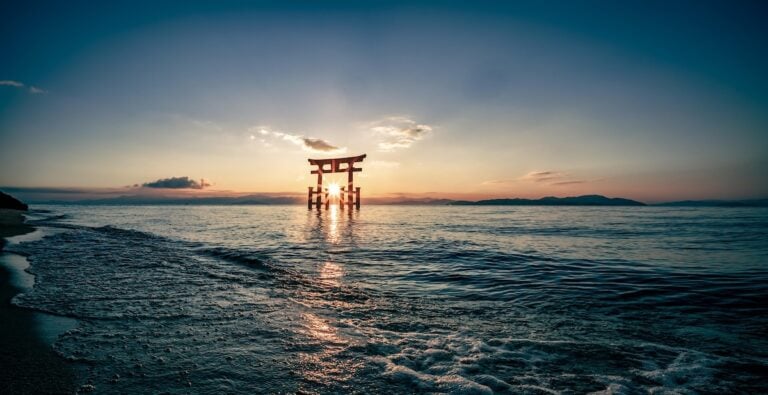
As far as prefectures in the Kansai region go, Shiga is the one that often seems left out of the conversation. Tucked away right next to Kyoto, Shiga is a relatively small prefecture that contains one of Japan’s most famous natural landmarks: Lake Biwa (Biwako in Japanese). Shiga’s history is inextricably tied to this famous lake and the prefecture and its people’s relationship to the lake is a very interesting one.
In this article, we will take a look at Biwako and why it is such an enduring part of Japanese culture, referenced in poetry, songs and art since ancient times. By extension, we’ll also look at Shiga prefecture and why it deserves more attention.
The Mother Lake
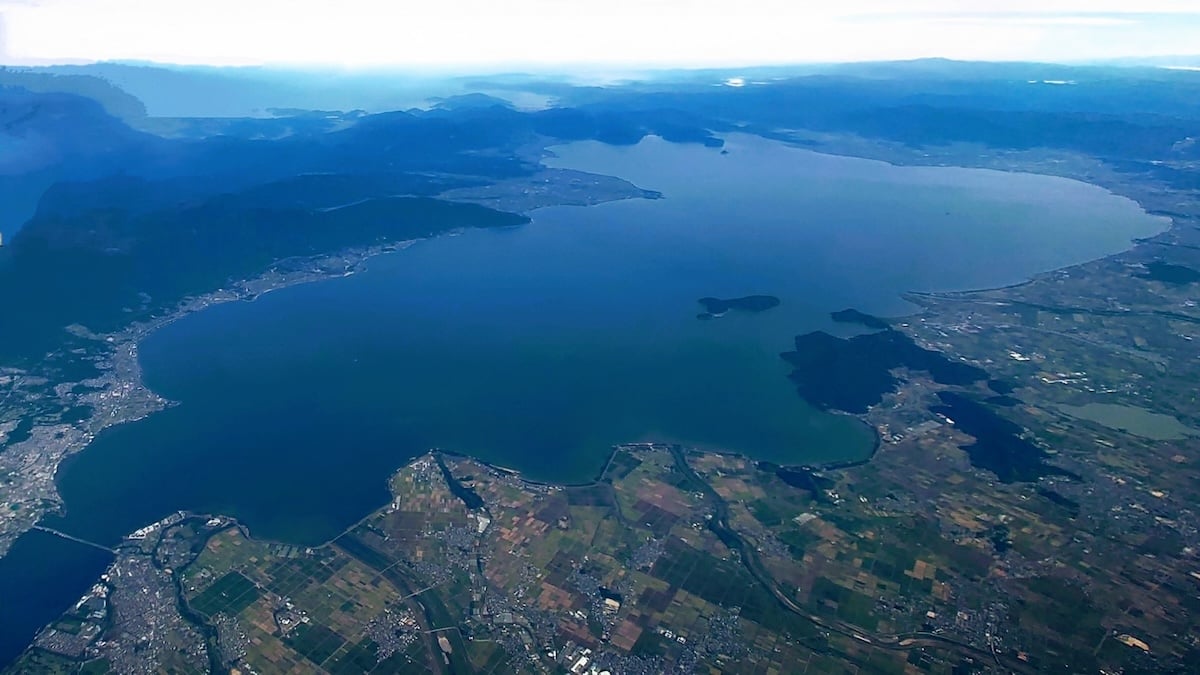
Biwako (琵琶湖) is Japan’s largest freshwater lake and wholly contained within Shiga prefecture. Its close proximity to Kyoto, Japan’s traditional capital, means that it has been featured extensively in Japanese poetry, music and art throughout history. Biwako has undergone many name changes throughout its history. It was once known as Omi No Umi (The sea of Omi province) before settling on its current name during the Edo period. The name Biwa is believed to have come from the shape of the lake resembling the Japanese musical instrument, a kind of lute called a biwa.
Living in Japan: The Wonderful World of Japanese Waterfalls
Geographically, the lake has some interesting features. For one thing, it is classed as an “ancient lake” which is a lake that has held water consistently for over 1 million years. There are very few of these kinds of lakes in the world. Biwako is considered to be the third oldest freshwater lake in the world, though some sources place it a little higher in the rankings.
Regardless, it is one of the most ancient bodies of freshwater in existence on Earth. The lake has a maximum depth of 100 metres and is home to many species of water birds and fish, some of which are unique to it. Fossils of creatures such as elephants and crocodiles have been found around the lake. In one particularly famous incident, the bones of one of these ancient elephants were discovered in Shiga in 1804 and believed at the time to be the remains of a dragon.
The people of Shiga prefecture have relied on the lake throughout history as a source of food, water and their livelihoods, so much so that the lake has sometimes been referred to as the “Mother Lake” by its inhabitants and can sometimes still be seen being referred to as such throughout the prefecture. The lake still plays a hugely important role in Shiga prefecture today with most of its major cities and towns located around its banks. Outside of Shiga prefecture, the lake is also one of the major water supplies for the Kansai region with most of Kyoto and Osaka’s water supply drawn from the lake.
Living in Japan: Venture Beyond Fuji: Japanese Volcanoes to Visit
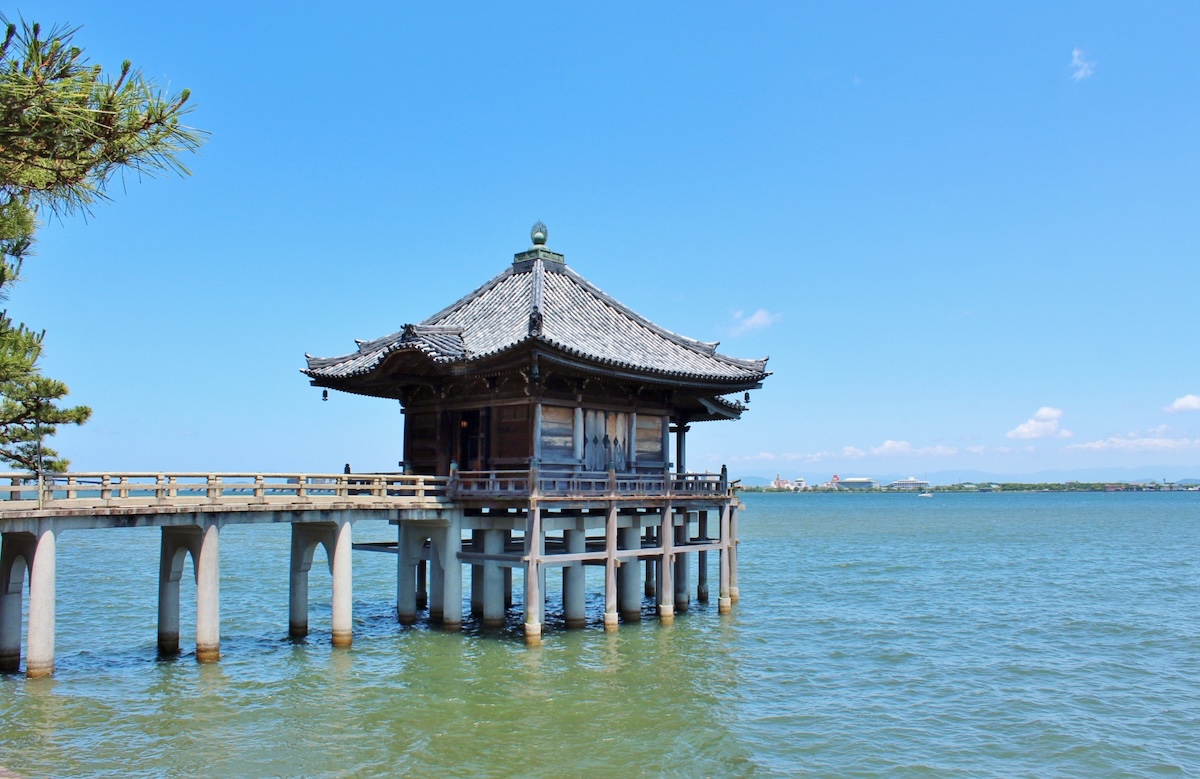
Biwako is also a tourist draw in the area with many people coming from neighbouring prefectures to indulge in water sports or cruises on the lake or to visit one of the many beaches along its shores. Many local souvenirs from Shiga are themed around the lake with things such as Biwako shaped cookies or a range of blue colored items representing the colour of the lake’s water. Biwako is large enough to be home to three islands, one of which is inhabited. Okishima is the largest and is home to a small fishing village of around 200 people. The other two islands, Takeshima and Chikubushima have no permanent population but are home to some famous shrines and temples.
Shiga Prefecture Beyond The Lake
While Shiga is most famous for Biwako, the prefecture has a lot of other things to offer visitors. It’s a fairly quiet place made up of small cities and towns around the lake’s edge with plains on the eastern side but it holds an abundant range of things to do, especially for people who love nature. Northern Shiga is colder than the southern part and hosts several small ski resorts. The eastern area of the prefecture is home to Mt Ibuki, one of Japan’s hundred famous mountains and a popular destination for hikers.
Living in Japan: Hidden Depths: Why Japan is a Top Destination for Scuba Diving
Despite the fact that it’s one of the less visited prefectures in the Kansai region, Shiga has a lot of historical significance due to its place on the Tokaido road. The Tokaido road was historically one of the major roads that connected Kyoto to Tokyo and as such, there remain many historical buildings and features in areas of Shiga.
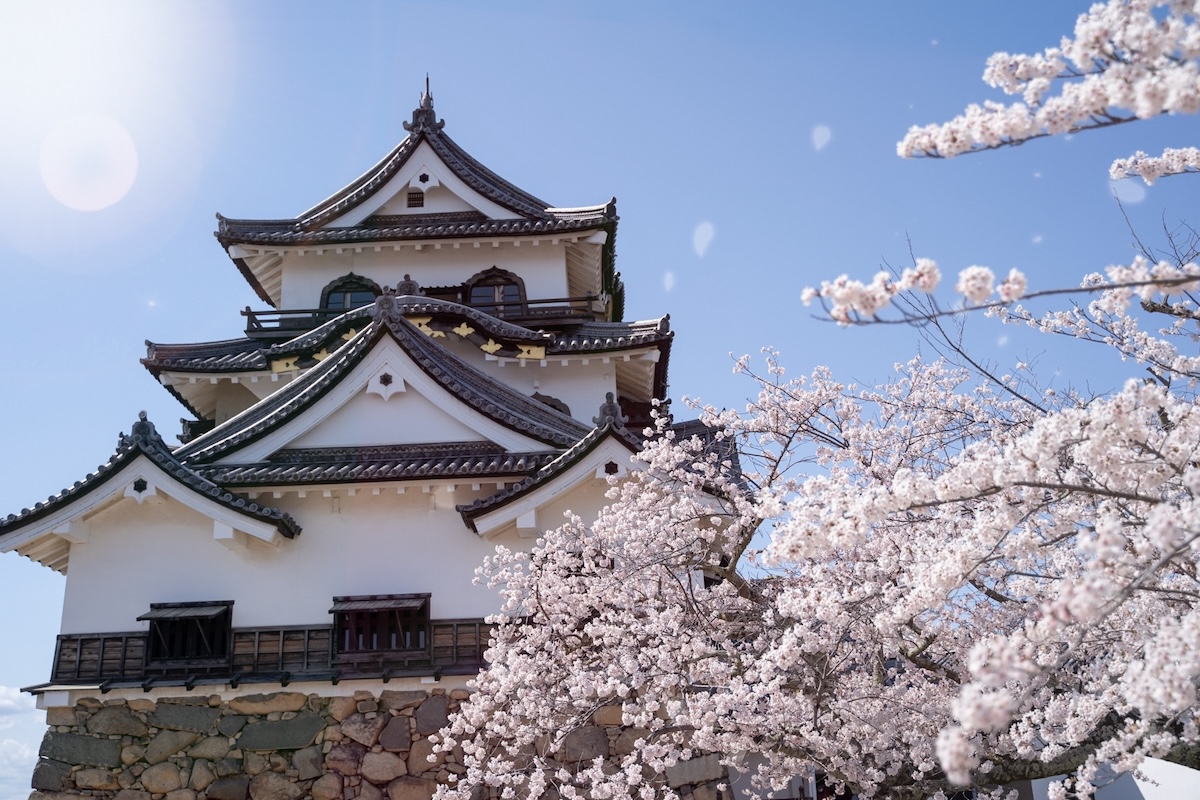
One of Shiga’s most famous attractions is Hikone castle, a small but beautiful castle that happens to be one of the only twelve original castles remaining in Japan. Hikone is probably one of the biggest tourist draws in the prefecture with some partial credit going to its famous town mascot Hikonyan, a white cat wearing a samurai helmet that is sometimes more widely recognised than Hikone castle itself.
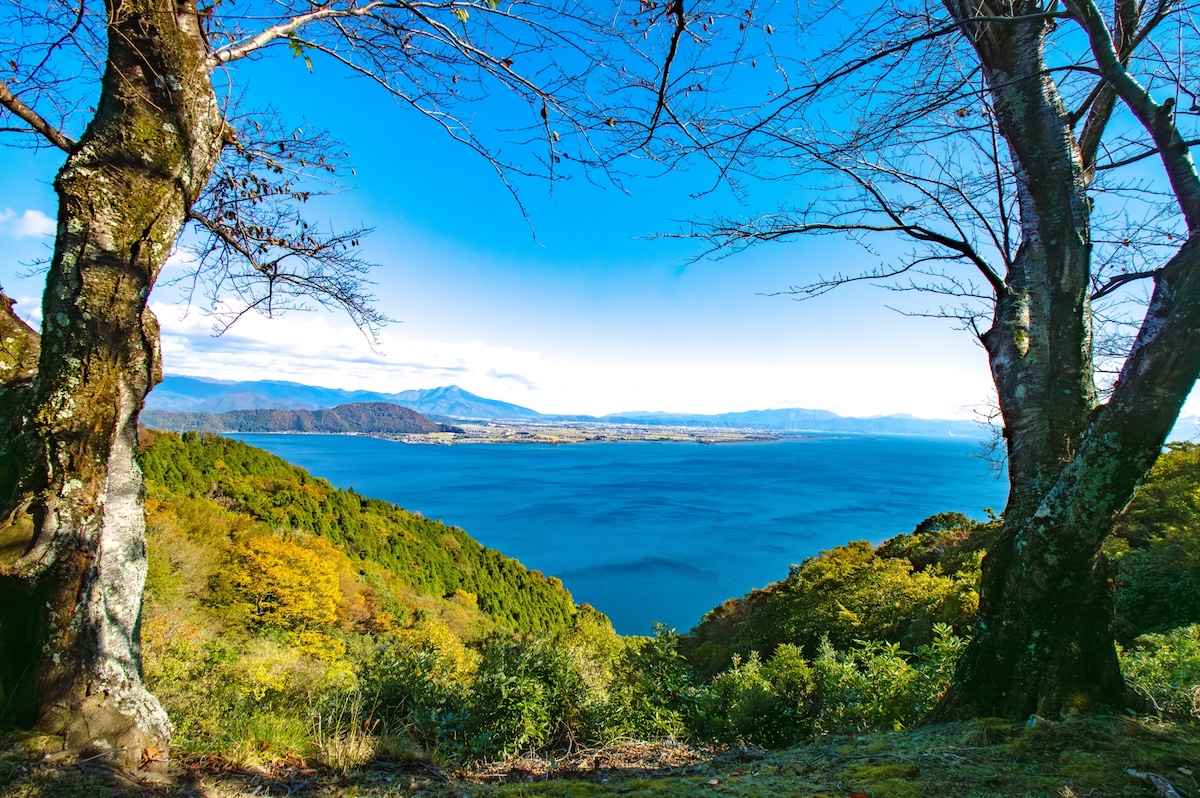
As far as food goes, Shiga is famous for Omi beef, one of the top three wagyu brands in Japan. Several types of fish from Lake Biwa are also considered famous Shiga foods with some of them unique to Biwako and therefore difficult to find outside of the prefecture. These include Biwa-masu (Biwa trout) and Nigoro Buna.
Preserving Japan’s Largest Lake
Being such an ancient body of water surrounded by human habitation, Biwako has not been without its share of environmental problems. Pollution and contamination have long been an issue, with the lake’s water quality declining considerably at times. Efforts in recent years to preserve the lake have had a big impact and though littering in particular remains a big issue, many volunteer organizations are constantly working to clean up the lake. The people of Shiga recognise Biwako’s importance to them and their efforts to preserve the lake and restore its condition are bound to continue into the future.
As one of Japan’s most interesting natural features, Lake Biwa is deserving of more attention. With abundant nature, unique wildlife and its long history, Biwako and Shiga are definitely places that people should look into visiting more often.