

Whether your workplace setting looks like a salaryman’s white collar office or the school staff room (職員室) of an elementary school, there is one section that unites them all: the drink area. For Japanese staff who work long hours and spend most of their day at the office, this area is an oasis that offers a chance to escape the daily grind (or deskwarming) for a few minutes while they prepare themselves something tasty on which to sip.
That said, the teas that you’ll see at these stations (as well as many other sides of daily life) can change according to the seasons. In Japan, this changing of the seasons (四季) plays a central role in everyday life, influencing everything from festivals to food. Each season carries its own unique meaning, influencing how people experience the world around them. This profound connection to nature extends to tea culture, where drinking tea isn’t just about taste but about aligning with the time of year. Seasonal tea in Japan offers a chance to embrace nature’s rhythms and appreciate the beauty of each season. If you’re living in or visiting Japan, adopting this way of choosing your tea is a meaningful way to engage with the culture and enrich daily experiences.
How to Japan: The World of Matcha: What is Japanese Green Tea?
Spring: New beginnings
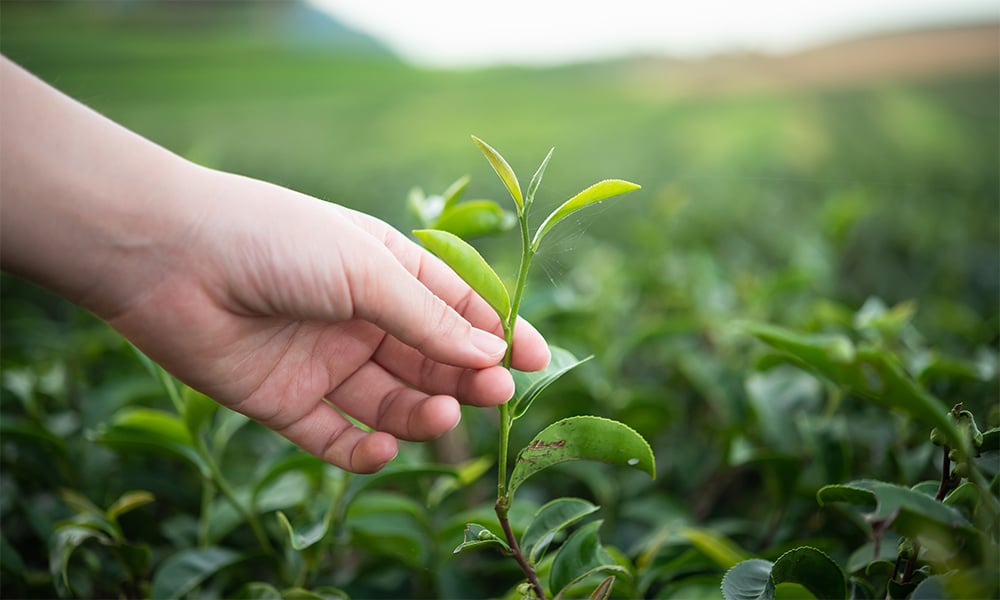
All around the world, springtime is associated with new beginnings, and Japan is no exception. Even the school year ends and restarts during this time, the transition tastefully accentuated by the first flowers of the year. Along with the first flowers, spring also ushers in the first tea harvest, called ichibanya (一番茶). During this time, you’re likely to hear talk of two types of green teas: and shincha (新茶) sencha (煎茶).
Shincha (新茶) – The First Harvest Tea
Shincha, meaning “new tea,” marks the first flush of the tea harvest, typically available from late April to May. It is the freshest and most flavorful green tea of the year, prized for its bright, grassy taste and high nutrient content. Shincha is celebrated not only for its superior flavor but also for its vibrant green color, symbolizing the rejuvenation of spring. Packed with antioxidants and a clean, refreshing flavor, shincha offers a great way to welcome the season.
Living in Japan: Trying to Diet in Japan: What Actually Helped Me Lose Weight (And What Didn’t)
Sencha (煎茶) – The Quintessential Japanese Green Tea
Sencha is the most commonly consumed green tea in Japan, and although it’s not necessarily harvested at this time, it holds a special place during the spring months. Known for its fresh, grassy flavor and light, aromatic qualities, sencha is an excellent tea to enjoy during the mild temperatures of spring. This tea is made from young tea leaves, which are steamed to preserve their vibrant green color and fresh flavor. As such, drinking sencha in spring symbolizes the season of renewal. Warm or iced, sencha is a versatile tea that embodies the essence of Japanese tea culture.
Summer Tea in Japan: Refreshing Brews to Beat the Heat
When summer hits Japan, the soaring temperatures and humidity make staying hydrated essential. One of the best ways to cool off and embrace the season is by enjoying Japan’s summer teas. These refreshing beverages are not only hydrating but also staples in homes all across the country. Here are three key summer teas that you’re sure to see at the office, on your daily conbini run and in vending machines everywhere:
Mugicha (麦茶) – The Quintessential Summer Tea

Mugicha is the ultimate summer refresher in Japan. This caffeine-free tea, made from roasted barley rather than tea leaves, is a favorite pick in homes across the country when temperatures soar. The flavor is nutty and toasty—perfect for hydrating and cooling down after a long, sticky day. If you work in a grade school, ask your students what they’ve brought in their liter bottles to sip on throughout the day. I can almost guarantee everyone will say, “mugicha (麦茶)!”
Ryokucha (緑茶)
Green tea, or ryokucha, is a staple in Japan year-round, but during the summer, it’s often enjoyed cold in order to help beat the heat. Cold brewing involves steeping the leaves in cold water for several hours, which reduces bitterness and enhances the tea’s natural sweetness. This method also results in a smoother, more delicate flavor that complements the heat well.
How to Japan: Top 10 Items You Need to Stay Cool this Summer
Fall Tea in Japan: Hearty Brews for Chilly Days
Autumn is one of my favorite seasons in Japan. Much of my reasoning probably comes from living in a subtropical city where summer heat is brutal and unforgiving. The changing of the season brings with it a much-needed respite. With chillier weather also comes a transition in teas! Mugicha holds its popularity in the early days of the weather cooling down, to be eventually replaced by varieties such as bancha and hojicha.
Bancha (番茶) – A Hearty, Everyday Tea
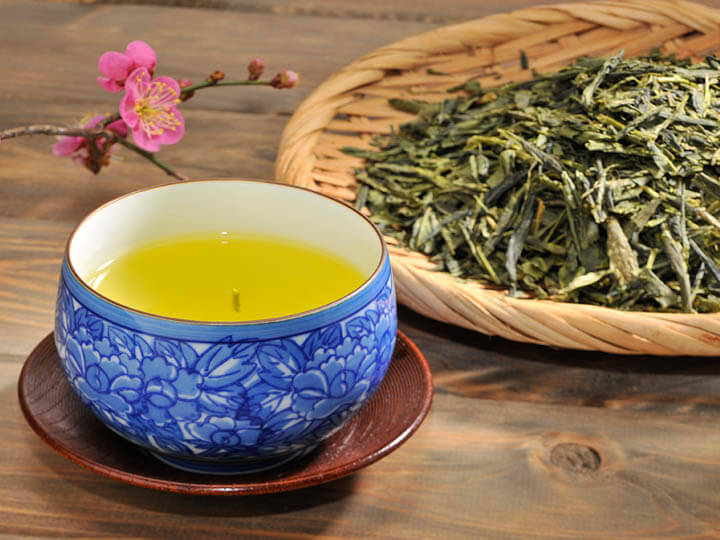
Bancha is a robust, earthy tea made from second-harvest leaves, and the next in line after shincha. There’s nothing particularly ceremonial or fancy about this tea, but that’s exactly why you’re bound to come across it in daily life. Its mineral-rich flavor and low caffeine content make it perfect for cozy fall evenings. Ideal for when the weather starts to cool, bancha is sometimes blended with ginger for an extra warming kick.
Hojicha (ほうじ茶) – The Roasted Autumn Comfort
While green tea usually invokes images of soft green and lightly earthy notes, there is a darker, more intensely-flavored version that is a staple when the months begin to turn cool. Hojicha is a unique green tea that’s roasted to give it a warm, nutty flavor with caramel undertones. This process also lowers its caffeine content, making it a great choice for an after-dinner drink. Plus, its antioxidants offer a healthy fall refreshment, making it great for building your body’s defenses for the upcoming winter season.
How to Japan: How Living in Japan Changes You
Winter Tea in Japan: Comforting Brews for Cold Days
Matcha (抹茶)
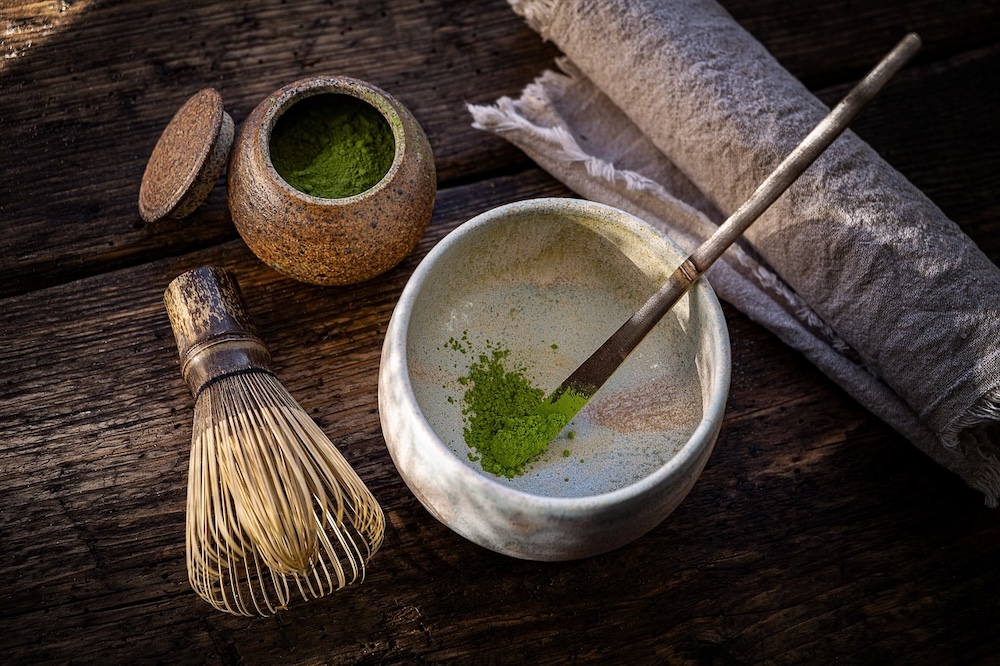
No Japanese tea article would be complete without mentioning matcha at least once! Matcha is the ultimate winter tea in Japan, offering a rich, umami flavor and a vibrant green color. Packed with antioxidants like catechins, it can boost your immune system and ward off seasonal colds. While often associated with formal tea ceremonies, some people also enjoy this deep green drink at home or at work. Matcha also pairs wonderfully with winter food staples like sweet potato.
Genmaicha (玄米茶) – Brown Rice Tea
Genmaicha is a cozy blend of green tea and roasted brown rice. Its warm, toasty flavors make it a favorite as the temperatures drop even further. In my opinion, this tea has one of the most distinctive scents thanks to the brown rice. Just smelling it warms me right up. Originally considered a “commoner’s tea,” it’s now enjoyed by all for its comforting, slightly nutty taste. Genmaicha is the perfect choice for those chillier days when all you want is something that warms you from the inside out.
Both of these winter teas in Japan are full of cozy, nourishing qualities, making them ideal choices to help you stay warm and healthy all season long!
Living in Japan: 11 Japanese Superfoods to Improve Your Health
The Japanese way of savoring tea reflects the beauty of the present moment and the ever-changing environment around us. As a foreigner in Japan, you’ll find these seasonal teas everywhere—tea shops, department stores, and even vending machines—making it easy to experience this cultural tradition. So, whether you’re cooling off on a hot day or warming up during the winter chill, let each cup of tea be your invitation to slow down, appreciate the seasons, and enjoy the simple joys of life in Japan.