The month of February kicks off with Setsubun, a traditional celebration marking the end of winter and the arrival of spring. At major shrines, famous celebrities and local dignitaries stand on a raised platform and toss packets of roasted beans and other small goodies into the waiting crowds. The roasted soybeans, or fukumame (福豆) are thrown to chase away evil spirits at the start of spring.
I experienced the Setsubun celebration firsthand recently and was struck by the determination of people vying for the lucky items. Some came prepared with bags or satchels to catch as many as possible, giving them a clear advantage. Taller people, too, had the upper hand, easily snagging items mid-air before others could reach them. The energy was very competitive.
Living in Japan: 6 Spring Festivals You Must See When Visiting Japan
As April marks the start of the new business year in Japan, March is the time for inter-company transfers and reshuffling of staff and duties. You may be invited to a colleague’s sobetsukai, farewell party, or receive a small gift such as cookies from a departing colleague. The person leaving usually visits people around the office and thank them individually for their help. Dynamics may be a little different if your work is online but even then, an electronic card is another way for people to express thanks to colleagues who are leaving.
While many companies have become more flexible and hire staff throughout the year, April is the primary time for new college graduates to join the workforce. To help the newcomers get off to a strong start, companies often hold welcome ceremonies as part of their induction process.
Pack Your Bags Early
From mid-January to March, moving companies and related businesses experience their busiest season, as many people try to relocate and settle in before the new fiscal year begins in April. If you are planning to move during this time, it is a good idea to make your reservation early to secure a spot. Moving companies in Japan are highly efficient—when they arrive, they will simply load your packed belongings onto the truck and quickly head to your new destination.
When I moved, I was impressed by how quickly the movers worked, and I was glad I had everything packed and labeled beforehand. To protect your home and the outside area, movers will cover floors, hallway walls, and even elevator interiors to prevent any damage while transporting your goods.

Spring is Allergy Season
They saying goes the longer you live in Japan, the more likely you are to develop pollen allergies. With an abundance of cedar and cypress trees, Japan experiences some of the highest pollen counts with many hay fever sufferers. Common symptoms of hay fever are sneezing, itchy eyes, and nasal congestion. The problem is often worse in urban areas, where concrete surfaces prevent pollen from being absorbed, leaving it to linger in the air.
Living in Japan: Dealing With Hay Fever In Japan
This year cedar pollen is expected to start spreading from the Kanto region westward in early or mid-February, and in the northern region from late February so even before the temperatures warm up, you may start experiencing hay fever symptoms. Simple advice is to wash your face and hands when you return home and brush off your clothes to remove pollen before entering your home.
The items recommended the most to relieve hay fever symptoms both at home and outside are:
Air Purifier – these products come in all price ranges and sizes, and they and are helpful to remove the pollen in your home so that you can relax and recover from your days outside.
Pollen Prevention Glasses – these specially designed glasses have an extra structure above and below the eye area to stop the pollen from reaching your eyes. Most models are only a couple of thousand yen so if your eyes are particularly vulnerable these may be a good choice for you. Also, carry eye drops to help relieve the itchiness.
Face Mask – it seems that face masks will never go away in Japan. Both the flu and pollen seasons give local residents a reason to keep their masks firmly secured on their face.
Nasal Wash – choose a product for nasal irrigation to clean the nasal cavity and wash away foreign objects such as pollen to help prevent hay fever, colds, and influenza.

Last Tasks at Year End
Tax returns in Japan are due by March 15th, and if this falls on a weekend, the deadline moves to the next business day. If you are a full-time employee, your company is likely filing taxes for you. However, contractors and freelance workers are responsible for their own taxes.
City hall tax offices are generally quite helpful, so if the process feels overwhelming, don’t hesitate to stop by and ask for assistance. Just be sure to avoid waiting until the final days, as it gets busy around the deadline.
Living in Japan: 10 Spring Flowers That Worth Seeing In Japan
Taxes like the residence tax are based on your annual income, so it is crucial to ensure your income is accurately recorded each year by filing your tax return.
Annual medical examinations should also be completed by the end of March. Again, for full-time employees, the company arranges the process to take an exam, but contractors and freelancers need to make their own plans. I live in Yokohama and the city has already sent me a reminder to complete my medical check by the end of March. There is no penalty for not taking a medical exam, but it is good to do since it can help detect medical issues early.
Spring is Sakura Season
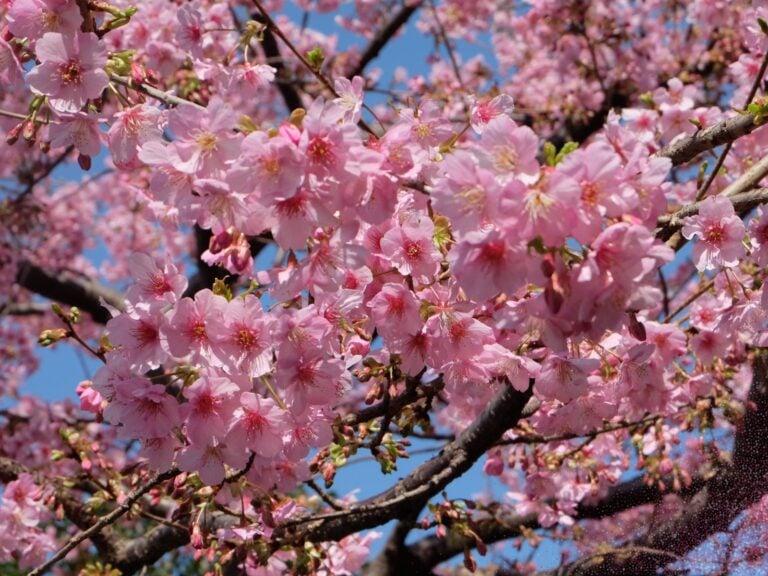
Spring can be filled with mundane tasks such as taxes and medical checks, however, it is also the season for sakura. The annual cherry blossoms have a special way of uplifting spirits in Japan, and it is a unique time when everyone makes time to relax and enjoy the blossoms – with a few rounds of sake of course.
Whether you enjoy blossom viewing with your work colleagues or friends, enjoy the time together since the pace will soon pick up and the fatigue of long working hours will begin to set in.
Living in Japan: 10 Tokyo Sakura Spots That Are Not So Crowded